

7 Power Foods to Help You Live Longer
Want to add more healthy years to your life? Discover the 7 powerful, science-backed plant-based foods that help slow aging, boost energy, and protect against chronic disease. This isn’t just about living longer—it’s about living better. If you're ready to take control of your health, this quick read could be your turning point.
A wake-up call to longevity
The average American lives to about 78 years old, which means midlife starts at 39. Surprised? You’re not alone. If you’ve been waiting for a sign to make your health a priority, consider this your wake-up call.
The good news is that living longer isn’t just about adding more years to your life, it’s about enhancing the quality of those years, ensuring they’re vibrant, active, and healthy. Science shows that what you eat plays a huge role in this equation.
Here are 7 powerful, science-backed, plant-based foods that can help you live a longer, healthier, and more energetic life.
Longevity Food #1:
Dark leafy greens - Antioxidants and Micronutrients
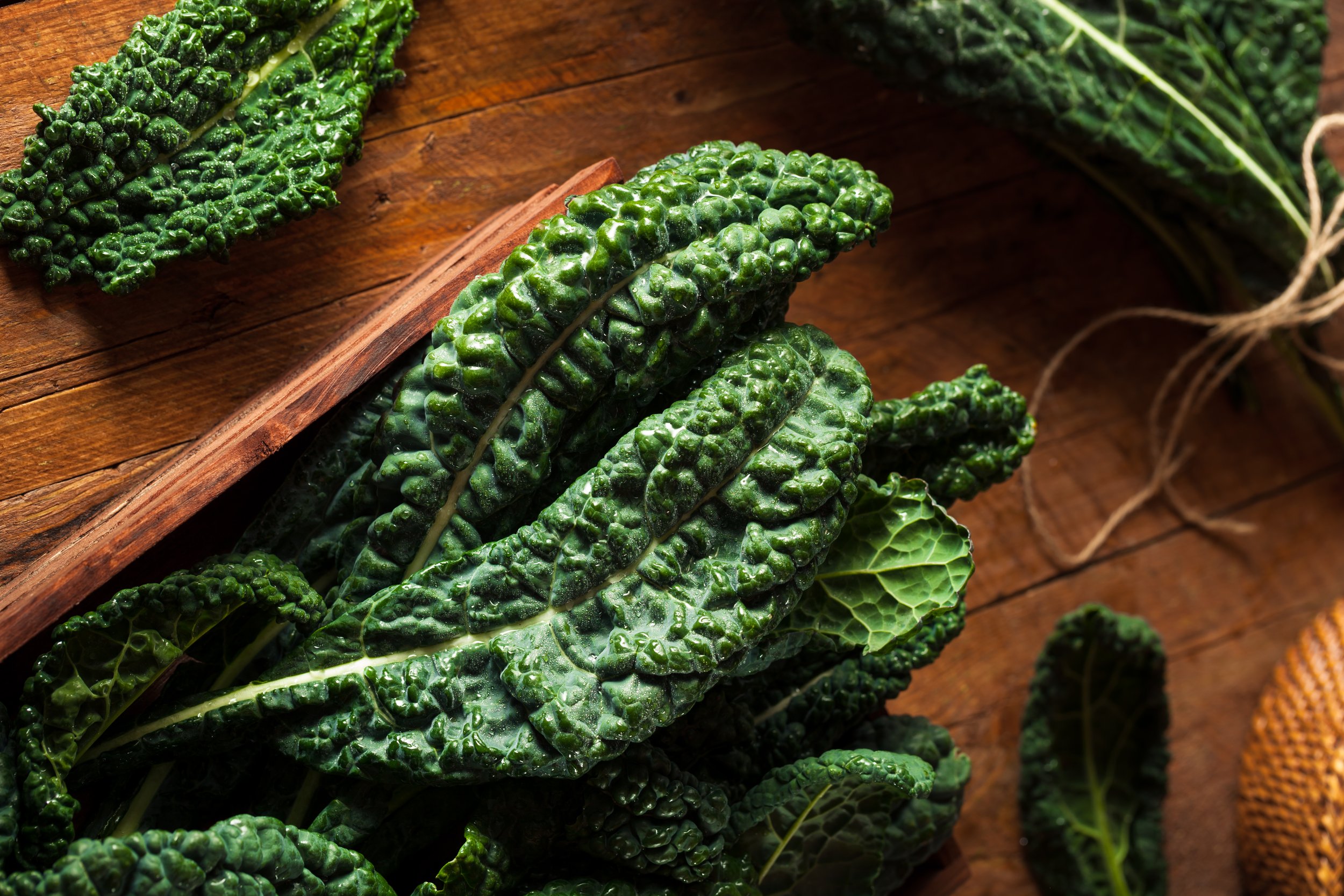
Dark leafy greens are arguably the most nutrient-dense foods on the planet, thanks to their high concentration of essential vitamins, minerals, and antioxidants in relatively few calories.
Dark leafy greens are closely linked to longevity due to their high levels of antioxidants, which protect DNA from damage and combat oxidative stress, a key driver of aging. These nutrient-dense greens also help reduce inflammation and support overall cellular health, slowing the aging process and lowering the risk of chronic diseases..

Rate of decline in global cognitive score for the top and the lowest quintile of intake of green leafy vegetables.
According to a 2018 study published in the journal Neurology, eating one serving of green leafy vegetables daily was associated with slower cognitive decline, equivalent to being 11 years younger in age.
The easiest way to include dark leafy greens in your diet is to throw a handful of spinach or kale into a smoothie.
Variety is essential when it comes to dark leafy greens, but kale and spinach stand out as two of the most nutrient-dense options. To ensure greens stay fresh and convenient for smoothies, buying fresh organic washed greens and freezing them is a great strategy. For more insights into the nutritional value of vegetables, check out this video where every vegetable in the produce section is ranked by nutrition.
To reap the full health benefits, aim for at least two servings of dark leafy greens each day. One serving is equivalent to 1 cup of raw greens (about 25 grams) or ¼ cup of cooked greens (also about 25 grams).
The “dark” part is crucial, lighter greens like iceberg lettuce don’t offer the same nutritional punch. Excellent options include kale, spinach, collard greens, arugula, and Swiss chard. These nutrient-packed greens can be easily incorporated into your daily meals for a powerful health boost.
Pro tip: If your greens come in a plastic container, break the seal before freezing, or transfer them to a Ziploc freezer bag.
Longevity Food #2:
Blueberries - Powerful Anti-Aging Polyphenols

Blueberries have the highest antioxidant levels of any commonly eaten fruit, thanks to their anthocyanins, which give them their deep blue hue and impressive health benefits.
Frozen blueberries are an excellent choice, they’re more affordable, last for months, and are harvested at peak ripeness before being flash-frozen to preserve their nutrients.
Blueberries are incredibly versatile, making it easy to incorporate them into your diet. Try stirring them into hot oatmeal, where they’ll defrost and naturally cool the dish, or blending them into smoothies for a burst of flavor and antioxidants.
Aim for half a cup of fresh or frozen blueberries daily (about 75 grams) to enjoy their many health benefits.
Longevity Food #3:
Walnuts & Flaxseed - Nature’s Omega-3 Essentials

Walnuts are often considered the world’s healthiest nut, backed by scientific research. They are packed with antioxidants and omega-3 fatty acids, both of which play crucial roles in promoting health. In lab tests, walnuts have shown greater potential than other nuts for inhibiting cancer cell growth.
Omega-3s, particularly abundant in walnuts, are essential for brain function, eye health, cardiovascular support, and a strong immune system.
There are three primary types of omega-3s: ALA, DHA, and EPA. Adding a handful of walnuts to your diet is an easy way to boost your intake of these vital nutrients.

If walnuts aren’t your favorite, flaxseed is an excellent alternative. It is the best food source of ALA (alpha-linolenic acid) per calorie, providing a plant-based omega-3 option that supports brain, heart, and overall health.
Sprinkle ground flaxseed into smoothies, oatmeal, or baked goods to easily incorporate this nutrient powerhouse into your daily diet.
You can meet your daily ALA needs with just one of the following:
6 walnut halves for women (12 g), and 9 for men (18 g)
1 tablespoon of ground flax seeds (7 g)
1 tablespoon of chia seeds (10 g)
Aim to get one serving of nuts and seeds per day, which you can do by eating a small handful of walnuts every day (10 to 14 walnut halves = 20 to 28 g).
Longevity Food #4:
Lentils - Protein, Fiber and Gut Health

Lentils belong to the legume family, which includes other plants that produce seeds or pods, such as beans, peas, and chickpeas. Legumes are known for being rich in protein, fiber, and essential nutrients, making them an excellent choice for a healthy diet.
Lentils, in particular, are valued for their quick cooking time and versatility compared to many other legumes.
Beyond their impressive nutrient profile, lentils are budget-friendly, simple to prepare, and incredibly versatile. They can be effortlessly incorporated into a variety of dishes, making them a staple ingredient for boosting nutrition. Their mild flavor and hearty texture make them an excellent addition to both classic and creative recipes. One of our favorite lentil based meals is our Lentil bolognese pasta, packing a whopping 51 grams of protein per serving.

Lentils are a powerhouse for gut health, thanks to their high fiber content. They contain both soluble and insoluble fiber, which work together to support a healthy digestive system. Soluble fiber helps regulate blood sugar levels and cholesterol by forming a gel-like substance during digestion, while insoluble fiber promotes regular bowel movements and prevents constipation.
Lentils also act as prebiotics, providing nourishment for beneficial gut bacteria that play a key role in digestion, immune function, and overall health. A healthy gut microbiome has been linked to reduced inflammation, improved nutrient absorption, and even better mental health.
Incorporating lentils into your diet is a simple and effective way to support gut health and maintain a balanced digestive system.

For an easy cooking method, use a rice cooker with a 2:1 ratio of water (or vegetable broth) to lentils. Select the “grain” or “brown rice” cycle for perfectly cooked lentils every time. Whether added to soups, salads, or curries, lentils are a convenient and nutritious addition to any meal.
Aim for 3 servings of legumes daily, with ½ cup (about 100 g) of cooked lentils counting as one serving. This serving size also applies to other legumes like soybeans, black beans, and chickpeas.
Longevity Food #5:
Garlic - Heart Health and Immune Support

Garlic is celebrated for its wide-ranging health benefits, particularly for heart health, immune support, and even cancer prevention. Its bioactive compounds, such as allicin, have been shown to reduce blood pressure, lower cholesterol levels, and combat inflammation, which are key factors in maintaining a healthy cardiovascular system.
A study of over 27,000 participants aged 80+ in China found that those who ate garlic at least five times a week had an 11% lower risk of death compared to those who rarely ate it.
In addition to its heart and longevity benefits, garlic supports the immune system by enhancing the body’s ability to fight infections and may help reduce the risk of certain cancers by protecting cells from oxidative damage. Including garlic in your diet is a flavorful and powerful way to boost overall health.

For maximum health benefits, chop fresh garlic cloves and let them sit for a few minutes before using. This process activates allicin, the compound responsible for many of garlic’s powerful properties. To keep garlic fresh, store unpeeled garlic heads at room temperature; they can last 3 to 6 months when stored properly.
Garlic also enhances zinc absorption, an essential nutrient often overlooked in plant-based diets, making it especially valuable for those seeking to optimize nutrition.
For best results, aim to include 1 to 2 garlic cloves in your daily meals. Add it to sauces, soups, stir-fries, or dressings for a flavorful and healthful boost.
Longevity Food #6:
Ginger - Digestion and Anti-Inflammatory Benefits

Ginger is a powerful anti-inflammatory and antioxidant that helps reduce oxidative stress, a key driver of aging and chronic diseases. Its active compounds, such as gingerol, have been shown to lower inflammation, support heart health, and may even protect against age-related conditions like Alzheimer’s disease and cardiovascular issues.
For convenience, ginger can be prepared in advance. Chopping fresh ginger root and storing it in a glass Mason jar makes it easy to sprinkle onto meals throughout the week. Whether added to stir-fries, soups, teas, or smoothies, ginger is a flavorful and versatile way to boost your health and protect against age-related diseases.
Storing food in glass containers instead of plastic is a simple yet effective way to reduce toxin exposure, as glass does not leach harmful chemicals like BPA or phthalates into your food. If you’re interested in learning more about minimizing toxins and improving your health, Dr. Daphne will be hosting a free masterclass on how women can reduce their toxin exposure and enhance their lifespan.

I prepare both chopped garlic and chopped ginger root (enough to last me a few days) and store them in glass Mason jars. Then, I sprinkle them on my meals.
Longevity Food #7:
Turmeric - Fight Inflammation and Oxidative Stress

Curcumin, the active compound in turmeric, is a powerful agent for promoting longevity. It helps reduce inflammation, combats oxidative stress, and supports overall brain health, three critical factors in extending lifespan and preventing age-related diseases.
Studies suggest that curcumin's antioxidant and anti-inflammatory properties can lower the risk of chronic conditions like heart disease, Alzheimer’s, and certain cancers.
Incorporating turmeric into your diet is easy. Add it to curries, soups, or smoothies, or pair it with black pepper to enhance curcumin absorption and maximize its health benefits.
Here are two simple ways to add turmeric to your diet:
Capsules or Pouches: For a simple and effective option, swallow turmeric powder in capsules or a potato starch pouch. A daily dose of just ¼ teaspoon of turmeric powder is enough to harness its powerful health benefits.
Smoothies: Blend fresh turmeric root into your favorite smoothie for a flavorful and nutritious boost. Here’s an example of a turmeric smoothie recipe:
Leif’s Longevity Smoothie
Directions: Add all ingredients to a high powered blender in order (kale first, ground flaxseed and protein powder last). Blend until smooth.
Ingredients:
1 cup frozen kale (21 g)
½ cup frozen blueberries (115 g)
1 small piece of ginger root (2 g)
1 small piece of turmeric root (2 g)
1.5 cups frozen mango (225 g)
½ cup frozen pineapple (75 g)
2 cups of water (or plant milk if you want) (474 g)
1 tablespoon of ground flaxseed (7 g)
Optional: 1 serving of vegan protein powder (35 g). I use True Nutrition Toasted Coconut Pea Protein.

With a scoop of protein powder, this smoothie comes in under 400 calories with 30 g of protein, and provides 5 servings of the top 7 longevity foods: kale, blueberries, ginger, turmeric, and flaxseed.
Conclusion
Incorporating nutrient-rich, science-backed foods into your diet is one of the most effective ways to promote longevity and improve your quality of life. From the antioxidants in dark leafy greens and blueberries to the heart-healthy omega-3s in walnuts and flaxseed, each of these powerhouse foods supports a longer, healthier lifespan.
Foods like garlic, ginger, lentils, and turmeric further enhance your health by reducing inflammation, boosting immunity, and protecting against chronic diseases. Small, intentional dietary changes can have a profound impact on your health span, ensuring that the years ahead are vibrant, active, and full of vitality. Start adding these 7 power foods to your daily meals and take a step toward a healthier, longer life.
Here’s to you living a long, healthy, plant-powered life!


Navigating Healthcare as a Vegan: How to Advocate for Your Lifestyle and Find Providers
Struggling to find vegan-friendly healthcare? You’re not alone. In this episode of The Vegan Gym Podcast, Dr. Daphne Bascom shares practical tips to help vegans confidently navigate the healthcare system, advocate for their needs, and find providers who respect their plant-based lifestyle.
As more people embrace a vegan lifestyle for ethical, environmental, and health reasons, many are encountering challenges when it comes to healthcare. Finding a healthcare provider who understands and supports your plant-based choices can be difficult, especially when many doctors are not trained in nutrition from a vegan perspective.
In this episode of The Vegan Gym Podcast, Dr. Daphne Bascom shares expert advice on how vegans can confidently navigate the healthcare system, advocate for themselves and their families, and ensure they are receiving care that aligns with their values.
The Challenge of Finding Vegan-Friendly Healthcare
Many vegans face pressure to question their lifestyle, especially when healthcare providers express skepticism or have limited knowledge about plant-based nutrition. It’s common to feel defensive or unsure when discussing veganism with your doctor, particularly if you experience pushback or are given advice that conflicts with your values. However, Dr. Bascom emphasizes that vegans can—and should—feel empowered to speak up, educate their healthcare team, and ensure their needs are met.
Tips for Navigating Healthcare as a Vegan
Know Your Rights as a Patient
You are the center of your care team. It’s important to remember that you have the right to be part of the decision-making process. Don’t hesitate to share your dietary preferences and ethical values with your doctor. Healthcare should be a shared conversation, not a one-sided directive.
Find a Vegan-Friendly Provider
Seek out healthcare professionals who already understand plant-based nutrition. You can use directories such as the Plantrician Providers Directory, ACLM Find a Provider Directory, or PCRM's Find a Physician Tool to locate doctors who support vegan patients. By starting with a provider who is aligned with your lifestyle, you can avoid unnecessary conflicts and feel more supported from the start.
Speak Up and Advocate for Yourself
Many healthcare providers don’t ask about dietary preferences or veganism on intake forms. If you’re vegan, bring it up in your conversation with your doctor. Let them know that your diet is non-negotiable and that any recommendations should consider your ethical and dietary choices. Dr. Bascom encourages vegans to feel confident in sharing this information without fear of judgment or shame.
Bring Resources to Educate Your Doctor
If your healthcare provider isn’t familiar with veganism, bring credible resources to your appointments. Websites like the Physicians Committee for Responsible Medicine (PCRM) offer valuable information on plant-based nutrition, which you can share with your healthcare team. By providing them with reliable sources, you can help bridge the knowledge gap and ensure they’re offering the best possible care for you.
Build a Support System
Don’t be afraid to bring a partner, friend, or family member to your appointments—especially if they’re someone who can help advocate for you. Having someone in your corner can make difficult conversations with healthcare professionals more manageable and provide additional support if you feel hesitant to speak up.
Health Screenings and Blood Tests Vegans Should Request
Staying on top of regular health checkups is crucial, especially for vegans who may need to monitor certain nutritional markers. Dr. Bascom recommends the following blood tests and screenings for vegans:
Vitamin B12 levels: Vegans should monitor B12 levels regularly, as deficiencies can occur without animal products in the diet.
Vitamin D levels: Ensure you’re getting enough vitamin D, particularly if you live in a region with limited sunlight.
A1C test: This is a standard test for monitoring blood sugar levels, essential for preventing diabetes.
Magnesium levels: While not always part of a routine exam, magnesium levels are important for overall health.
Omega-3 levels: Consider adding this test if you’re concerned about omega-3 intake from plant-based sources.
For a comprehensive panel, you can request the Vegan and Vegetarian Deficiency Panel from labs like Quest Diagnostics.
Raising Vegan Children: Pediatric Healthcare Advice
Dr. Bascom also discusses how vegan parents can navigate healthcare for their children. Many pediatricians may not be familiar with plant-based nutrition, but there are excellent resources to guide these conversations.
Find a Plant-Based Pediatrician
Use resources like the American College of Lifestyle Medicine (ACLM) or Plant-Based Juniors to find a pediatrician who supports vegan families.
Bring Educational Materials To Appointments
Books like Nourish by Brenda Davis and The Plant-Based Baby and Toddler can provide helpful information to share with your child’s doctor.
Prepare For Conversations About Vegan Nutrition
Educate yourself and your pediatrician on the safety and benefits of raising vegan children. Websites like Dr. Yami's offer valuable resources for parents.
Empowering Vegans in the Healthcare System
Navigating the healthcare system as a vegan can be challenging, but it’s important to remember that your health and your values matter. By advocating for yourself, finding supportive healthcare providers, and staying informed, you can receive the care you deserve without compromising your beliefs. Take the time to educate your doctor, seek out plant-based professionals, and stay proactive in maintaining your health.
For more tips and insights, be sure to listen to the full episode of The Vegan Gym Podcast with Dr. Daphne Bascom, where we dive deeper into these topics.
Resources Mentioned In Episode:
Dr. Daphne’s Recommendations for Vegan Parents:
Books:
Nourish by Brenda Davis
The Help Yourself Cookbook for Kids by Ruby Roth
Plant-Powered Families by Dreena Burton
The Plant-Based Baby and Toddler by Whitney and Alex Caspero
A Parent's Guide to Intuitive Eating by Dr. Yami
Websites:
Video Resources:

Combat Menopause Symptoms with Our Delicious 4-Day Vegan Meal Prep Plan
This delicious 4-day vegan meal prep is specifically designed to combat the six most common challenges of menopause: hot flashes, muscle loss, mood swings, fatigue, inflammation, and an increased risk of osteoporosis.
Grab our free menopause meal prep guide - nutrition breakdown and grocery list included!
Let us know what you think! Leave your comments on YouTube.
What Makes This Meal Prep Plan unique?
Menopause can be a challenging phase, but with the right nutrition, you can alleviate many of its symptoms. This meal plan, designed by our registered dietitian Taylor, comes in at just over 1,800 calories per day. It boasts 100 grams of plant protein, ensuring you meet all your nutritional needs without supplementation, including protein powder.
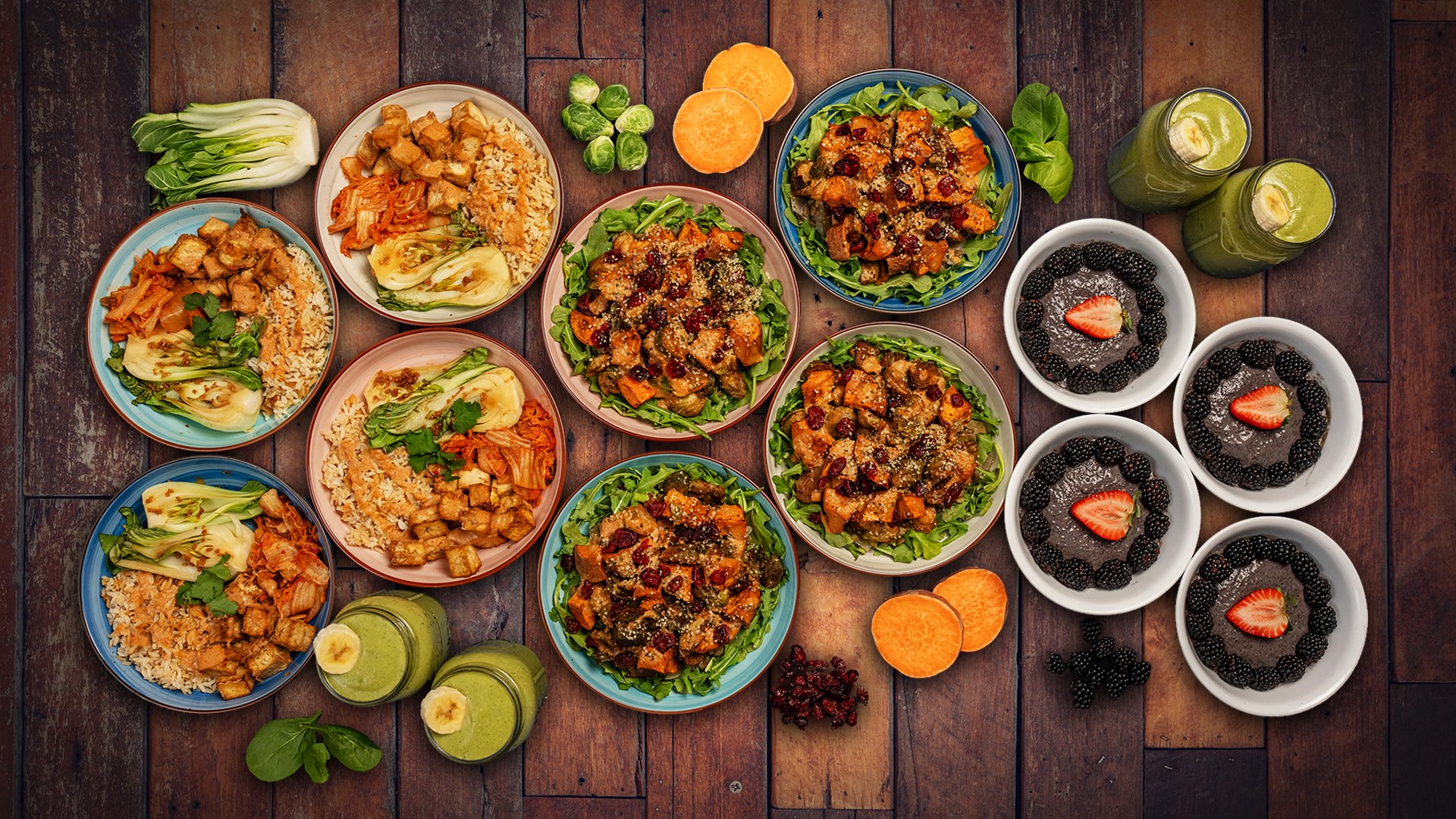
Breakfast: Creamy Green Maca Smoothies
Start your day with a nutrient-packed smoothie. Frozen spinach and bananas are key ingredients that last longer and provide essential nutrients. Add frozen pineapple chunks, sun butter for vitamin E, hemp seeds, ground flaxseed, and maca powder – a root vegetable native to Peru that may help alleviate menopause symptoms like mood swings, depression, and anxiety. Blend with soy milk, which contains isoflavones known to reduce hot flashes.
Lunch: Lentil Harvest Salad
For lunch, prepare a Lentil Harvest Salad packed with protein and vitamins. Cook lentils and Brussels sprouts, rich in vitamin K and estrogen-metabolizing compounds. Add sweet potatoes for an extra boost of vitamins and minerals. Top it off with a Sriracha tahini dressing for a flavorful kick. This meal helps with muscle maintenance, mood stabilization, and inflammation reduction.
Dinner: Tofu Kimchi Rice Bowls
Evenings call for a comforting and nutritious Tofu Kimchi Rice Bowl. Tofu provides another serving of isoflavone-rich soy, promoting bone health. Kimchi, a probiotic food, supports gut health and hormone regulation. Bok choy adds a crunch and a dose of vitamins. This meal offers a balanced mix of protein, vitamins, and probiotics to keep you feeling your best.
Snacks: Blackberry Chia Seed Pudding
For snacks, indulge in Blackberry Chia Seed Pudding. Chia seeds are a fantastic source of plant-based omega-3 fatty acids, known to reduce inflammation and improve brain health. Blend blackberries, maple syrup, vanilla soy milk, and chia seeds for a refreshing and nutritious treat.
Nutritional Breakdown
We aimed for 100 grams of plant protein per day and met every target for essential amino acids. Higher plant protein intake, combined with resistance training, is vital for maintaining muscle mass, muscle strength, and bone strength in post-menopausal women. This meal plan is also rich in calcium, vitamin K, magnesium, and omega-3 fatty acids – all crucial for bone health and reducing menopause symptoms.
Key Nutrients
Calcium: Found in soy milk, tofu, bok choy, and chia seeds.
Vitamin K: Abundant in Brussels sprouts.
Magnesium: Present in hemp seeds, lentils, and chia seeds.
Omega-3 Fatty Acids: From chia seeds, ground flaxseed, and hemp seeds.
Fiber: 55 grams per day, supporting gut health and hormone regulation.
Menopause Meal Prep Guide (Science Backed)
Click the button below to access the Menopause Meal Prep Guide! This guide is packed with delicious recipes, full ingredient lists, nutrition highlights, and detailed breakdowns to help you thrive on plants through menopause.
Get the Meal Prep!