

How a Vegan Diet Can Help Manage Menopause Symptoms
Struggling with menopause symptoms like hot flashes, brain fog, or weight gain? Discover how a vegan diet and lifestyle changes can help you feel more balanced, energized, and in control. In this insightful conversation with Dr. Daphne Bascom, we break down how plant-based eating, strength training, and stress management can transform your menopause journey.
Transform Your Health and Reduce Menopause Symptoms with a Vegan Diet
Menopause isn’t a disease. Society often portrays it as a condition needing treatment. It can be connected to mental health challenges like anxiety, depression, and a sense of loss of self. We aim to demystify menopause. Why is it crucial for women to deeply understand it?
Menopause can present a challenging period for many women, manifesting symptoms such as hot flashes, night sweats, brain fog, mood swings, and weight gain. However, adopting a vegan diet can serve as an effective strategy for managing these symptoms.
This interview with Dr. Daphne Bascom explores how a plant-based diet can help alleviate menopause symptoms and promote overall health.
Let us know what you think! Leave your comments on YouTube.
What is Menopause?
First, let’s define menopause. Perimenopause is the phase leading up to menopause, usually starting in your 30s and lasting up to 12 years. During this period, estrogen levels fluctuate, causing various symptoms. Menopause is defined as having no menstrual period for 12 consecutive months. After this, you enter postmenopause, which spans the rest of your life.
This hormonal shift can bring about symptoms like hot flashes, night sweats, brain fog, mood swings, and weight gain. Understanding these changes is crucial for effectively managing menopausal symptoms.
The Impact of Hormonal Changes
Estrogen, Progesterone, and Testosterone
Three main hormones play significant roles during menopause: estrogen, progesterone, and testosterone. Estrogen fluctuations cause most menopause symptoms, including hot flashes and insulin resistance. A decline in progesterone can lead to sleep disturbances, while changes in testosterone levels can impact mood, sex drive, and overall energy levels.
Understanding these hormonal changes can help you manage your symptoms better and take proactive steps to improve your health.

Vegan Diet: A Natural Remedy for Menopause Symptoms
The Power of Soy
One of the most effective ways to manage menopause symptoms is through a vegan diet rich in soy products. Studies have shown that soy can significantly reduce hot flashes. Japanese women, who consume a lot of soy, experience fewer hot flashes compared to American and European women.
Adding half a cup of soybeans to your daily diet can make a considerable difference. You can add mature soybeans to salads, soups, or even as a side dish.
Whole Foods for Whole Health
A Whole Food Plant-Based (WFPB) diet not only helps in managing menopause symptoms but also promotes overall health. Eating a variety of fruits, vegetables, whole grains, and legumes can improve your metabolism, bone health, cardiovascular health, and even help with weight management.
Avoid drastic calorie cutting that negatively impacts your metabolism. Instead, focus on fueling your body with nutrient-dense foods.
The Importance of Physical Activity
Strength Training
Strength training is crucial for menopausal women. It helps maintain muscle mass, which is metabolically active and aids in insulin sensitivity. Lifting weights can also improve bone density, reducing the risk of osteopenia and osteoporosis.
If you're new to weightlifting, start with bodyweight exercises or resistance bands. You don't need a gym; a small space and a good workout plan are enough to get started.
High-Intensity Interval Training (HIIT)
Incorporate HIIT into your fitness routine to stimulate type-two muscle fibers. This form of exercise can improve cardiovascular health and help manage weight gain as well as other menopause-related symptoms.
Mindset and Stress Management
Mental Health
Menopause can impact your mental health, leading to anxiety, depression, and a loss of confidence. It’s essential to maintain a positive mindset and manage stress effectively. Practices like mindfulness, meditation, and yoga can be beneficial.
Longevity and Quality of Life
Understanding menopause and its impact on your body can empower you to make well-informed decisions about your health. This knowledge can help you maintain a high quality of life and longevity.

Menopause Meal Prep Guide (Science Backed)
Click the button below to access the Menopause Meal Prep Guide! This guide is packed with delicious recipes, full ingredient lists, nutrition highlights, and detailed breakdowns to help you thrive on plants through menopause.
Get the Meal Prep!
Dr. Michael Greger: The Shocking New Research On Diet & Longevity
Can you really slow aging with food? Dr. Michael Greger says yes, and backs it with science. In his new book How Not to Age, he reveals how plant-based nutrition, specific foods, and lifestyle choices can activate your body’s natural defense systems, reduce inflammation, and extend your health span. Dive into his latest longevity insights and discover how to take control of how you age.
In this interview, Dr. Michael Greger shares his most shocking discoveries from his latest book, How Not to Age.
Let us know what you think! Leave your comments on YouTube.
You can purchase Dr. Greger’s new book, How Not to Age, here.
Dive into Dr. Michael Greger's Insights on Diet and Longevity
Dr. Michael Greger has dedicated three years to researching and writing one of the best books on health and diet. Despite the challenge of confronting long-held beliefs, his work is crucial. As the founder and director of NutritionFacts.org and a New York Times bestselling author, Dr. Greger brings a wealth of nutrition expertise. This post will explore his latest findings on diet and longevity and why a plant-based diet is key to a longer, healthier life.
The Impact of Diet on Longevity
One of the most significant revelations from Dr. Greger's research is the extent to which lifestyle choices, particularly diet, influence longevity. He notes that only about 15% to 30% of our lifespan is determined by our genes. The remainder is shaped by how we live our lives. Dr. Greger highlights studies showing that plant-based diets can significantly slow the rate of aging.
Autophagy: The Body's Cleanup Crew
Autophagy is a vital process in the body that acts as both a salvage operation and a garbage disposal, picking up nutrients and clearing away debris. Dr. Greger explains that fasting is commonly associated with autophagy, but it often requires several days of water-only fasting to be effective.
Fortunately, there are other ways to boost autophagy, such as exercise and consuming certain foods. Foods like coffee, which contains chlorogenic acids, and wheat germ, rich in spermidine, can activate autophagy without prolonged fasting.
The Role of Zombie Cells in Aging
Zombie cells, or senescent cells, are cells that have stopped dividing but are not entirely dead. They release inflammatory compounds that contribute to aging. Dr. Greger emphasizes the importance of preventing cells from becoming prematurely senescent. This can be achieved by minimizing DNA damage through a diet rich in antioxidants, such as green tea and cruciferous vegetables.
Additionally, certain food compounds, like fisetin found in strawberries and quercetin in capers, have been shown to have senolytic effects, helping to clear out these harmful cells.
The Dangers of Excess Weight
Dr. Greger describes research that states that even modest weight gain affects longevity. Being just 11 pounds overweight can lower life expectancy by 30 minutes per day, comparable to smoking two cigarettes or drinking two pints of beer daily.
The most dangerous fat is visceral fat, which wraps around internal organs and releases inflammatory substances. Thankfully, this fat is also the first to be lost through diet and exercise.

The Power of AMPK
AMPK is a pivotal enzyme that serves as an energy regulator in the body, akin to a fuel gauge. Dr. Greger likens it to having the potential of "exercise in a pill." Enhancing AMPK can be achieved through exercise, calorie restriction, and specific dietary interventions, such as consuming vinegar or barberries.
Protein and Longevity
Dr. Greger further explains that elevated insulin-like growth factor 1 (IGF-1) levels are linked to shorter lifespans. Lowering protein intake, particularly from animal sources, can reduce IGF-1 levels. Conversely, plant proteins do not provoke the same increase in IGF-1, rendering them a healthier option.
Reducing protein consumption to recommended levels can also decrease levels of mTOR, an enzyme that accelerates aging.
Supplements: Are They Necessary?
While Dr. Greger initially considered recommending a variety of supplements, his research led him to a different conclusion. Most supplements, including resveratrol and NAD boosters, did not demonstrate significant benefits in his studies.
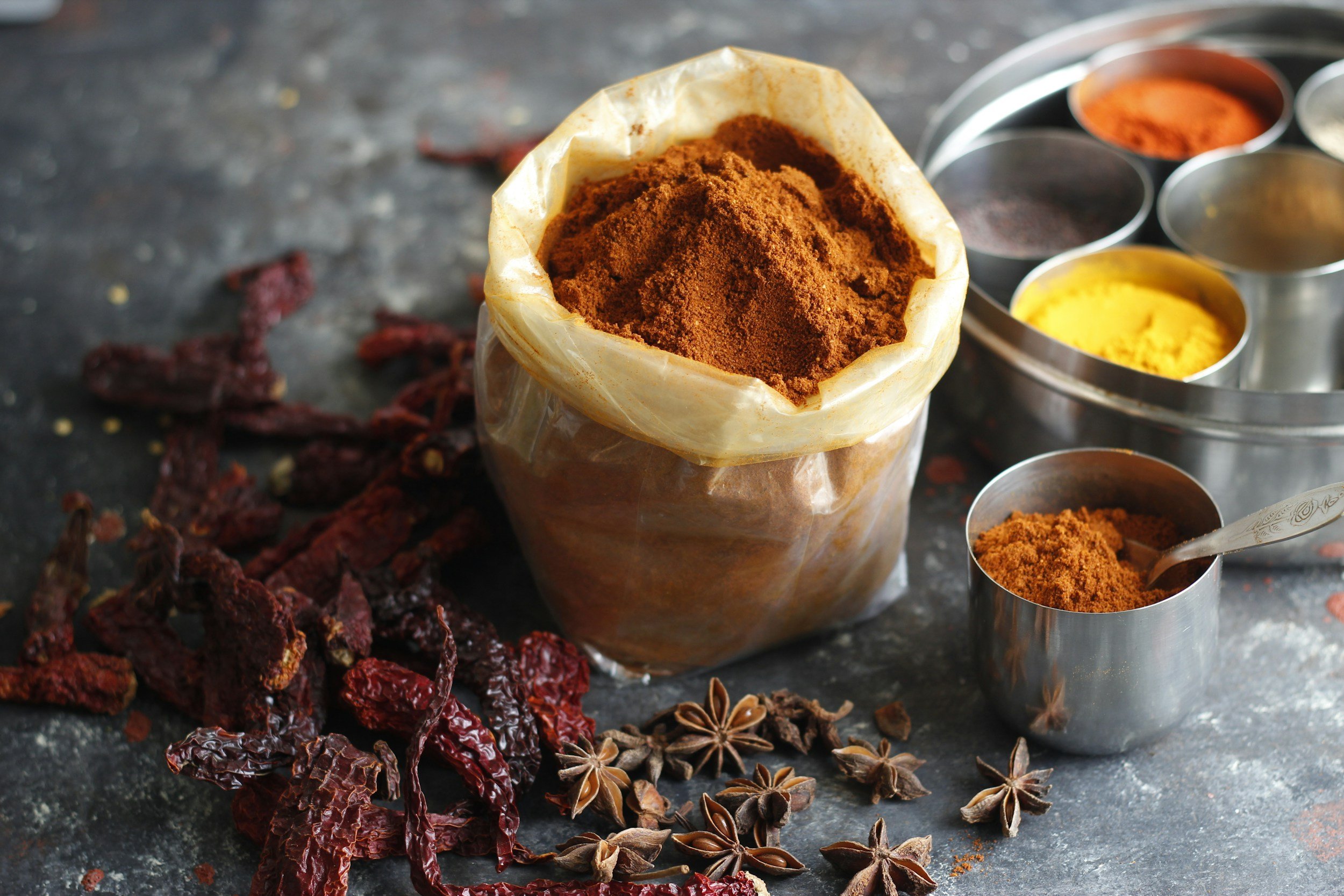
Instead, Dr. Greger advocates for obtaining nutrients from whole foods and spices, such as turmeric, amla, black cumin, and long pepper.
Conclusion
Dr. Michael Greger's exhaustive research provides compelling evidence that diet plays an essential role in longevity. Adopting a plant-based diet, engaging in regular exercise, and making informed lifestyle choices can significantly enhance our prospects of living a longer, healthier life.

The Science and Truth Behind Consuming Soy
Soy has been a dietary staple in many cultures for centuries. Yet, it often finds itself at the center of debates and myths about its health impacts. Concerns range from hormone disruption to its role in cancer prevention. The truth about soy is often hidden by misinformation. However, recent research reveals the many health benefits of soy. It debunks common myths and shows its potential to improve our diets.
Let’s explore the science behind soy. I’ll dispel the common myths and highlight its many impressive health benefits.
Let us know what you think! Leave your comments on YouTube.
Debunking Common Soy Myths
Soy and Hormones Myths
A common myth is that soy disrupts hormones, especially in men. This idea comes from the phytoestrogens in soy. These compounds mimic estrogen. But, phytoestrogens are much weaker than human estrogen—about 1,000 times weaker. A 2016 study showed that phytoestrogens should not be equated with estrogen.
However, real estrogen from animal products, like dairy, has a larger impact on human hormones. A German study found that milk products make up 60-70% of the estrogen we eat.
Many studies, like this 2010 meta-analysis, show that soy does not affect testosterone levels, estrogen levels, or sperm quality in men.
❌ So, the idea that soy causes hormonal imbalances is untrue.
Soy and Men's Health Myths
One persistent myth about soy is that it feminizes men. Some believe it leads to conditions like gynecomastia. This is also known as "man boobs." This idea likely comes from a single case. A man drank three quarts of soy milk daily — an extreme intake that is not typical.
A 2010 meta-analysis of 15 studies found no effects of soy on testosterone, estrogen, or sperm quality in men.
Studies support that soy is a nutritious source of protein. It can support muscle building and overall health.
❌ The fear that soy harms men's health is baseless.
It's hard to stay serious on set repeating 'man boobs' for the perfect take. 😅
Soy and Breast Cancer Myths
A common myth is that soy increases the risk of breast cancer. This is due to its phytoestrogen content. But, scientific evidence contradicts this. Phytoestrogens in soy are not the same as human estrogen and do not increase cancer risk. Many studies suggest the opposite. For example, a 2008 study found that women who eat soy have a 30% lower risk of developing breast cancer.
Soy intake is also linked to a lower risk of breast cancer recurrence and death among survivors. A study of over 6,000 breast cancer survivors showed that those who ate the most soy had a 21% lower risk of death.
❌ So, the belief that soy promotes breast cancer is wrong.
Soy Causes Deforestation
Another common myth is that soy is primarily responsible for deforestation. This stems from the large-scale industrial production of soybeans in countries like the United States and Brazil. While it is true that soy farming does contribute to deforestation, it's important to note that the majority of soy is used as animal feed in livestock agriculture, not for direct human consumption.
In fact, only a small percentage of the soy produced globally is used in products for human diets. The environmental impact of soy is, therefore, largely due to the demand for animal feed rather than direct soy consumption by people.
Moreover, the majority of non-organic soy is also fed to animals in animal agriculture. By understanding these facts, we can better comprehend the true environmental impact of soy and make informed choices about our diets and agricultural practices.
❌ No, soy consumed directly by humans is not a leading cause of deforestation.
Revealing Health Benefits of Soy
Soy’s Role in Reducing Cancer Risk
Soy’s benefits go beyond just breast cancer prevention. Research shows that eating soy is linked to a lower risk of many other cancers. For example, a study found that men who eat soy have a lower risk of prostate cancer. Soy intake is also linked to reduced risks of lung, stomach, and colorectal cancers. These findings show soy's anti-cancer properties. Compounds in soy, like isoflavones, may help stop growth & kill cancer cells.
✅ Eating soy can be a proactive way to reduce the risk of many types of cancer.
Soy and Heart Health Benefits
Soy is also good for heart health. Many studies show that eating soy can lower blood pressure and reduce LDL cholesterol levels. Lower LDL cholesterol is crucial. High levels are a major risk factor for heart disease. One meta-analysis study showed that eating soy protein significantly reduced LDL cholesterol levels compared to animal protein. Isoflavones in soy are believed to improve endothelial function. This is essential for healthy blood vessels.
✅ By eating soy, you can improve your heart health and reduce the risk of heart disease and stroke.
Soy in a Balanced Diet
Adding soy to a balanced diet is easy and beneficial. Soy is an excellent source of high-quality plant-based protein. It also provides essential nutrients like fiber, vitamins, and minerals.
Products like tofu, tempeh, edamame, and soy milk are versatile. They can be easily added to many meals. For example, tofu can be added to stir-fries, soups, sauces or salads. Soy milk can be used in smoothies or as a substitute for recipes that call for dairy milk.
Including soy in your diet diversifies your protein sources. It also offers many health benefits, from reducing cancer risk to improving heart health. Making soy a regular part of your meals helps support overall wellness.

Conclusion: Soy Myths Busted ✅
Soy won't affect your hormones, won't feminize men, won't increase your risk of breast cancer, and you don’t need to worry about it being genetically modified. Above all, soy is a fantastic addition to any healthy plant-based diet.

