

5 Proven Vegan Weight-Loss Strategies for Lasting Success
Struggling to lose fat on a vegan diet? Discover 5 science-backed strategies that go beyond basic weight loss to help you shed body fat, preserve lean muscle, and feel more energized. Whether you're new to plant-based eating or want to break through a plateau, this guide is packed with practical tips, meal hacks, and proven tools to transform your physique and boost your health.
2 August 2024
Unlocking the Secrets of Vegan WEIGHT-Loss: Top Tips for a Leaner, Healthier You
If you're seeking a leaner, more sculpted physique, it’s crucial to shift your focus from merely losing weight to specifically targeting body fat. Contrary to popular belief, simply shedding pounds doesn't equate to a healthier or fitter body. What you truly want is to reduce body fat while preserving lean muscle mass.
Let’s explore effective strategies for fat loss on a vegan diet, combining nutritional wisdom with practical tips to help you achieve your fitness goals.
Why Focus on Fat Loss Instead of Weight Loss?
Weight loss often misleads people into thinking that reducing overall body weight is the end goal. However, fat loss, coupled with maintaining or increasing lean muscle mass, is the true key to transforming your body composition. The goal is to shed fat while keeping your muscle tone intact, which leads to a leaner, more defined physique.
5 Proven Tips for Vegan WEIGHT-Loss
1. Maximize Food Volume with Vegetables
Vegetables are your key to successful fat loss. Packed with fiber and low in calories, they help you stay full without adding extra calories. Build your meals around plant-based proteins like tofu and legumes, and fill your plate with vegetables that offer high volume and low calories. Here are some of the best vegetables for volume:
Spinach: Low in calories and high in nutrients, perfect for salads or as a base for dishes.
Broccoli: Rich in fiber and water, making it a great filling option.
Zucchini: Versatile and low in calories, great for stir-fries and as a pasta substitute.
Cauliflower: Can be used as a rice or mashed potato substitute, adding bulk with fewer calories.
Bell Peppers: High in vitamins and low in calories, ideal for adding crunch and flavor.
Check out our YouTube Video on volume eating:
2. Simplify and Prepare Meals in Bulk
For effective fat loss, consistency is essential. Simplify your meals and prepare them in bulk, ideally over the weekend. This approach eliminates the daily hassle of cooking and helps you stick to your nutritional goals. By preparing meals ahead of time, you can save approximately 3-5 hours each week that would otherwise be spent cooking or deciding what to eat. Try meal prepping dishes like tofu stir-fries or high-protein overnight oats so you’re set for the work week, making healthy eating easier and less time-consuming.
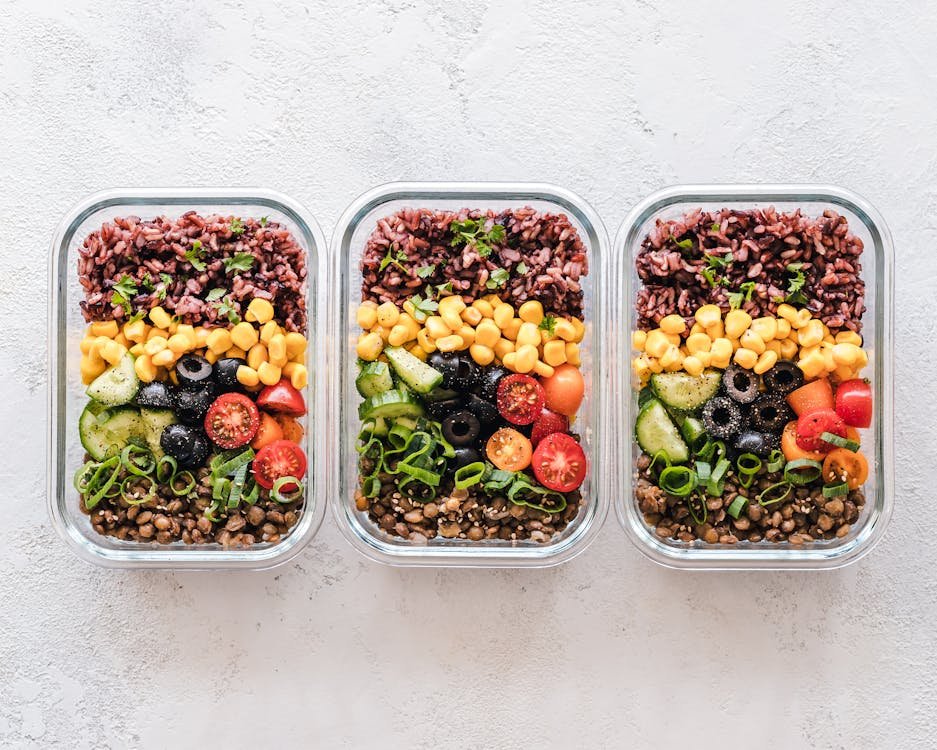
Pro Tip: Using glass jars are a great way to meal prep so your food doesn’t absorb plastic toxins.
3. Avoid Hidden Calories
Hidden calories in certain foods can undermine your fat loss efforts. Common vegan foods that might seem healthy but can have hidden calories include:
Granola: Can be high in sugars and fats, making it calorie-dense despite being a common health food.
Avocado: While nutritious, it's calorie-rich, so portion control is crucial.
Nut Butters: Easy to overeat due to their calorie density, even though they’re a healthy fat source.
Salad Dressings: Many dressings contain added sugars and fats that can significantly increase the calorie count.

Any type of oil drastically increases your caloric intake (1 TBSP of oil is 120 calories).
4. Utilize Intermittent Fasting Wisely
Intermittent fasting can help with dietary adherence and hunger management, but it’s not a magic bullet for fat loss. It’s particularly effective because it can help control calorie intake by reducing the window of time during which you eat. Many people tend to overeat in the evening, so limiting eating times can prevent excess calorie consumption. Experiment with fasting windows to find what works best for your lifestyle and needs, but remember, it's most beneficial as a tool to manage overall calorie intake rather than a standalone solution.

Pro Tip: Use Intermitting Fasting as a tool, not a diet.
5. Set a Step Goal for Increased Activity
Non-exercise activity (NEAT) plays a crucial role in your daily calorie expenditure. Aim for 10,000 steps a day to boost your calorie burn. Additionally, incorporate other daily activities that might not require much thought but contribute to calorie burning:
Taking the Stairs: Instead of the elevator.
Walking During Breaks: Use work breaks for short walks.
Standing While Working: Use a standing desk or take standing breaks.
Household Chores: Activities like cleaning, gardening, or playing with pets can add up.
Parking Further Away: Opt for parking farther from your destination to get more steps in.

Pro Tip: Make walking fun by inviting your friends or family. Put it on your calendar for a recurring outing!
Additional Health Benefits of a Vegan Diet
While effective fat loss is a significant goal, a well-planned vegan diet offers a wealth of additional health benefits that extend far beyond just shedding pounds. By focusing on whole, plant-based foods, you not only support sustainable fat loss but also significantly improve your overall health. Here’s why:
Improved Heart Health
A vegan diet, rich in fruits, vegetables, whole grains, and legumes, can lead to better heart health. Plant-based diets are low in saturated fats and cholesterol, reducing the risk of heart disease. Foods like oats, beans, and avocados are known for their heart-healthy properties, including lowering blood pressure and improving cholesterol levels.
Reduced Inflammation
Chronic inflammation is linked to various health issues, including arthritis, diabetes, and cardiovascular diseases. Vegan diets emphasize anti-inflammatory foods such as berries, leafy greens, nuts, and seeds. These foods are rich in antioxidants and phytonutrients, which help combat inflammation and promote overall health.
Lower Risk of Chronic Diseases
Adopting a vegan diet can lower the risk of several chronic diseases. Research suggests that plant-based diets are associated with a reduced risk of type 2 diabetes, certain cancers, and obesity-related conditions. By prioritizing whole, plant-based foods, you enhance your body's natural defenses and improve your overall health profile.
Enhanced Digestive Health
A diet high in fiber from vegetables, fruits, and whole grains supports a healthy digestive system. Fiber promotes regular bowel movements, prevents constipation, and supports the growth of beneficial gut bacteria, which is essential for optimal digestion and absorption of nutrients.
Increased Energy Levels
Consuming nutrient-dense plant-based foods can boost your energy levels. Unlike highly processed foods, whole plant foods provide a steady release of energy and essential nutrients, helping you feel more vibrant and less fatigued throughout the day.
Better Skin Health
A diet rich in vitamins and antioxidants from plant-based foods contributes to healthier, glowing skin. Nutrients like vitamins A, C, and E, found in fruits and vegetables, help combat free radicals and support skin repair and rejuvenation.
Sustainable Health Benefits
A vegan diet is not only beneficial for your personal health but also for the planet. By choosing plant-based foods, you reduce your ecological footprint, as plant-based diets generally require fewer natural resources and produce less greenhouse gas emissions compared to animal-based diets.
Summary
Incorporating these five proven tips into your vegan fat loss strategy can help you achieve your goals while enjoying a variety of health benefits. By maximizing food volume with vegetables, simplifying your meal prep, avoiding hidden calories, utilizing intermittent fasting wisely, and setting a daily step goal, you'll not only support effective fat loss but also enhance your overall well-being.
A well-planned vegan diet goes beyond just losing weight. It offers a host of additional benefits, including improved heart health, reduced inflammation, and a lower risk of chronic diseases. By focusing on whole, plant-based foods, you’ll feel more energized, support your digestive health, and contribute to a more sustainable lifestyle.
Embrace these practical tips and experience the comprehensive advantages of a well-rounded vegan diet. Your journey to better health and successful fat loss starts with these simple yet impactful steps.
Your Next Steps for Effective Vegan Fat Loss
Ready to take your vegan fat loss journey to the next level? If you’re looking for personalized support and expert guidance, we’re here to help.
At the Vegan Superhero Academy, we’ve helped over 2,250 vegans just like you achieve their health and fitness goals. Our 1-1 coaching program offers tailored plans, dedicated support, and a vibrant community to ensure you stay on track and succeed.
Click here to learn more and join our supportive community today!

OUR ACADEMY MEMBERS AT THE 2023 VEGAN SUPERHERO RETREAT.
Thanks for reading!
The Vegan Gym
Have a question? Send us a message in Facebook Messenger!

The Best Vegan Foods for Fat Loss: Your Ultimate Guide
August 1, 2024
The Best Vegan Foods for Fat Loss: Your Ultimate Guide
Welcome to the ultimate guide to vegan fat loss! While we’ve titled this article “The Best Vegan Foods for Fat Loss,” a more fitting title might be “The Most Helpful Foods for Fat Loss.” Why? Because the key to fat loss isn’t about eating some magical food; it’s about understanding how to create a sustainable caloric deficit.
Here’s what you’ll learn in this guide:
What a caloric deficit is and why it matters
The best vegan foods to support fat loss
How to track your macros (protein, carbs, fats) effectively
What’s the Deal with a Caloric Deficit?
To shed those extra pounds, you need to burn more calories than you consume. Sounds simple, right? But it’s not just about eating less; it’s about eating smart. The best way to transform your body is by choosing foods that keep you full, provide the nutrients you need, and fit into your calorie goals.
Achieving a Caloric Deficit as a Vegan
Here’s a fun fact: diets that involve extreme restrictions are often less effective. Telling yourself you can never have pizza or vegan donuts makes them even more tempting! The real trick is understanding that fat loss doesn’t mean you have to give up all your favorite foods.
The Fundamental Law of Fat Loss is simple: You need to burn more energy than you consume. This means maintaining a caloric deficit over time. But while calories are crucial, you also need to hit your macro targets: proteins, fats, and carbs.
To keep your health in check and avoid feeling deprived, aim for a balance. About 80% of your calories should come from nutritious, whole plant foods you enjoy. This approach is known as flexible dieting, and it lets you enjoy a variety of foods while reaching your goals.
Best Vegan Foods for Fat Loss
Now, let’s dive into the best vegan foods to help you reach your fat loss goals. We’ll explore high-protein, high-carb, and high-fat options that are not only nutritious but also help keep you full.
The Best Vegan Protein Sources
Protein is crucial for weight loss because it helps preserve lean muscle mass while losing fat. High-protein diets can increase satiety, making you feel fuller for longer and reducing overall calorie intake.
Additionally, protein has a higher thermic effect compared to fats and carbohydrates, meaning your body burns more calories during digestion. This combination of increased fullness, muscle preservation, and higher calorie burn supports effective and sustainable weight loss.
Here are the top 5 vegan protein sources:
Lentils: Packed with protein and fiber, great for soups and stews.
Tempeh: Fermented soy product that’s high in protein and adds a savory flavor.
Tofu: Versatile and can be used in a variety of dishes.
Seitan: High in protein, perfect for a meat-like texture.
Textured Vegetable Protein (TVP): A protein-rich, dried soy product.
Note: While nuts and quinoa have some protein, they are better as complementary sources rather than primary ones. For a protein boost, consider adding a high-quality protein powder to your diet.

Graphic 1: Macronutrient Profile of Top Plant-Based Protein Sources.
The Best Vegan Carb Sources
Carbohydrates play a vital role in weight management by providing the body with a primary source of energy. Choosing complex carbohydrates, such as whole grains, fruits, and vegetables, can aid in weight loss because they are rich in fiber, which helps increase satiety and stabilize blood sugar levels.
This can reduce overall calorie intake and prevent overeating. Additionally, the steady release of energy from complex carbs helps maintain muscle function and supports physical activity, which is needed for effective weight loss and overall health.
Here are the top 5 vegan carb sources:
Quinoa: High in protein and fiber, great for salads and bowls.
Sweet Potatoes: Rich in vitamins and fiber.
Brown Rice: A filling, nutrient-dense choice.
Oats: Perfect for breakfast or snacks.
Buckwheat: A good source of protein and essential nutrients.
Pro Tip: Focus on whole, less-processed carbs like these for longer-lasting energy and satisfaction.

Graphic 2: Macronutrient Profile of Plant-Based Carbohydrate Sources.
The Best Vegetables for Vegan Fat Loss
Vegetables are essential for weight loss due to their high fiber and low calorie content. They provide a sense of fullness and help control appetite, making it easier to maintain a calorie deficit. Rich in vitamins, minerals, and antioxidants, vegetables also support overall health and metabolic function.
Additionally, the low energy density of vegetables means you can consume larger portions without consuming excessive calories, making them a key component of a balanced, weight-loss-friendly diet.
Here are the top 5 vegetables:
Kale: Nutrient-dense and versatile.
Spinach: High in vitamins and minerals.
Broccoli: Packed with fiber and antioxidants.
Asparagus: Great for digestion.
Brussels Sprouts: High in fiber and vitamins.
Pro Tip: You can enjoy large portions of these veggies without overdoing your calorie intake.

Graphic 3: Macronutrient Profile of the Top 5 Vegetable Sources.
The Best Fruits for Vegan Fat Loss
Fruits are important for weight loss because they are nutrient-dense and low in calories. They provide essential vitamins, minerals, and antioxidants while offering natural sweetness that can satisfy cravings for sugary foods. High in fiber, fruits help increase satiety and regulate appetite, which can aid in reducing overall calorie intake.
Additionally, the natural sugars in fruits are accompanied by water and fiber, which slow down digestion and contribute to a steady release of energy, supporting sustainable weight management.
Here are the top 5 fruits:
Berries: Low in calories and high in antioxidants.
Grapefruit: Helps with fat metabolism.
Kiwi: Packed with vitamins and fiber.
Apples: Great for snacking and adding to meals.
Honeydew and Watermelon: Hydrating and low in calories.
Pro Tip: Balance fruit intake with your overall calorie goals to avoid exceeding your limits.

Graphic 4: Macronutrient Profile of the Top 5 Fruit Sources.
How to Track Your Macros as a Vegan
Tracking your macros can be a game-changer for fat loss. Here’s how to get started:
Use a Nutrition Calculator: Our FREE Vegan Nutrition Calculator helps you figure out your daily protein, carb, and fat needs. You will need to sign into Facebook Messenger to access our calculator.
Create a Meal Plan: Plan your meals around high-protein foods and adjust with veggies and carbs to hit your macro targets.
Track Your Intake: Use apps like Cronometer to keep an eye on your daily intake and make adjustments as needed.
Pro Tip: Planning and tracking help remove guesswork and keep you on track.
Your Next Steps for Vegan Fat Loss
Ready to take the next step and get personalized support on your fat loss journey? If you're tired of going it alone and want to lose 5 to 20 pounds over the next 90 days, we would love to help you!
Join the Vegan Superhero Academy! We’ve successfully coached over 2,250 vegans like you who are ready to transform their health and achieve their goals. Our 1-1 coaching program offers customized plans, 24/7 support, and a like-minded community to help you every step of the way.
Click here to learn more and join our community!
Our academy members at the 2023 Vegan Superhero Retreat.
Summary
The key to fat loss is maintaining a caloric deficit while meeting your macro targets. Focus on high-volume, low-calorie foods like protein-rich sources, whole carbs, and nutrient-dense veggies and fruits. Tracking your macros meticulously ensures you stay on course.
If you’d like to hear us talk through this topic, check out our podcast episode “The Best Vegan Foods for Fat Loss” on Apple Podcasts, Spotify, or Stitcher!
Have a question? Send us a message in Facebook Messenger!

Master Your Meal Prep: FAST 30-Minute High-Protein Vegan Meal Prep!
In this meal prep video, I'll show you how to make 4 days of delicious vegan meals that are packed with protein and 100% nutritionally complete (without supplements) in just 30 minutes! 🌱
Click this link to get all these recipes — including the grocery list and nutrition breakdown.
Let us know what you think! Leave your comments on YouTube.
Why High-Protein Vegan Meal Prep?
Protein is a crucial macronutrient for muscle repair, growth, and overall health. As a vegan, meeting your daily protein needs can be challenging, but with the right meal prep, you can easily include ample protein in your diet.
This fast and efficient meal prep guide ensures you can achieve your protein goals without spending hours in the kitchen.
What You’ll Learn In The Video:
Efficient Prep Techniques
Discover time-saving techniques for quick and efficient meal prep. I’ll guide you through the steps to prepare your meals in just 30 minutes.High-Protein Ingredients
Learn about the key high-protein vegan ingredients that will keep your meals both nutritious and delicious. Take the guesswork out of your shopping list.Meal Prep Tips and Tricks
How to store your meals, reheat them, and keep them fresh throughout the week. Maintain the quality of your meals and make sure they taste delicious.Balanced Nutrition
Understand the importance of a balanced diet and how to ensure each meal provides a well-rounded combination of protein, carbohydrates, and healthy fats.
By incorporating these high-protein vegan meal prep strategies into your routine, you’ll not only save time but also ensure that you’re fueling your body with the nutrients it needs. Enjoy the benefits of delicious, nutritious, and convenient meals all week long!
Recipes & Nutrition BreakDown

FREE NUTRITION CALCULATOR
Interested in Plant-Based Nutrition?
Join the waitlist today for our new FREE plant-based nutrition course.

Never miss a new video!
Was this helpful? Sign up to get more science-based vegan nutrition information right in your inbox!